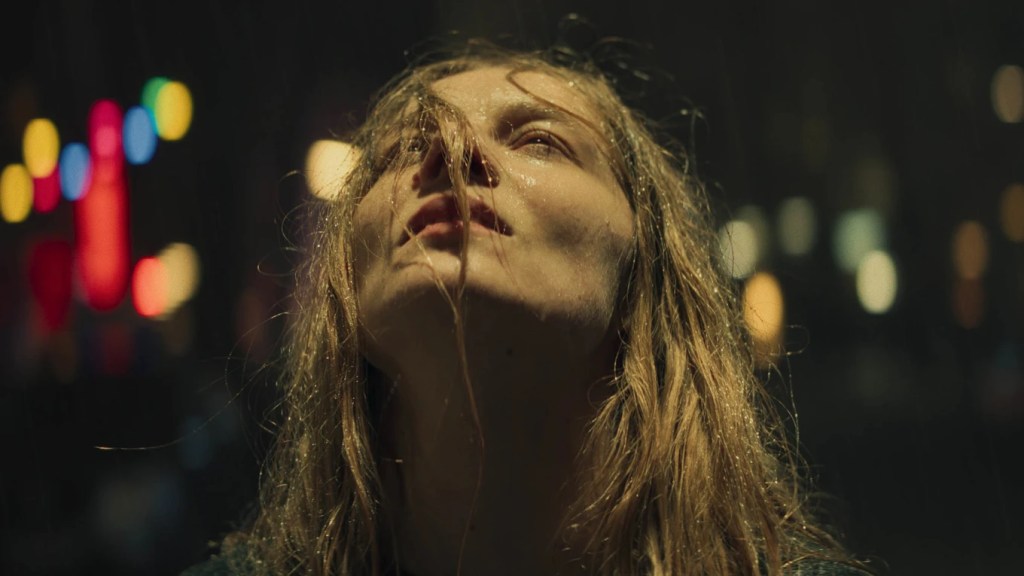
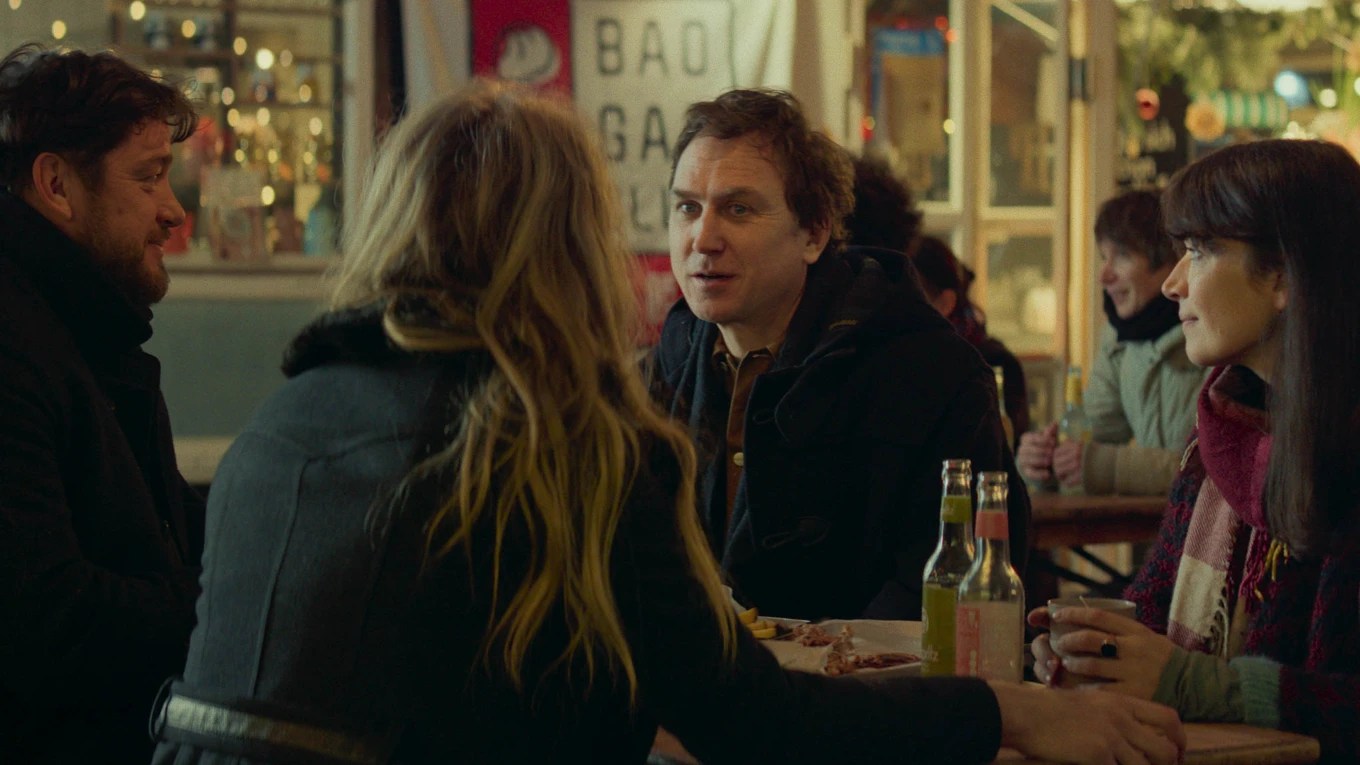
Dying, written and directed by Mattias Glasner, seems like a quintessentially German film, with its classical music, dark themes, shizer jokes and a deadpan tragi-comedy flavour. The comedic elements are truly chilling but deliver guilt-laden LOLs aplenty. However, it is much more than just a German film; it is a meditation on idealism. The idealism of love and family versus the idealism of dreams and art. And who better to do this, given the rich philosophical history of German Idealism.
The movie shows the impossibility of the highwire act necessary to be successful in all these arenas and the personal hell that awaits those who try. In writing this, I am reminded of my best friend’s theory (thanks Dean) that Eurydice had to be lost to Hades for Orpheus to become the greatest musician that ever lived in ancient Greek myth.
Each act follows a different member of the same dysfunctional family. Tolstoy famously opined that “happy families are all alike; every unhappy family is unhappy in its own way” but this would be a reductive application to Dying, given the voracity of the emotional carnage depicted in the film – the parents’ nightmarish final days and the two estranged adult children eaten up with the torture of living. The bitter mother, Lissy Lunies (Corinna Harfouch), looks after her dying partner, who was once the heart of the family but is now just an empty shell. The father, Gerd Lunies, played by Han-Uwe Bauer, delivers a virtuosic performance as an old man lost to the later stages of Parkinson’s; all its debilitating horrors lead to Gerd sadly dying alone due to the low level of “care.”
Thus Dying highlights how dysfunctional we have become as a society, when people are forced to shuffle off this mortal coil in sterile rooms completely alone. Partly, this is due to the way dying is sanitised and not prioritised, as the elderly ostensibly have no economic capital value, now that they will never return to work. They also lack social capital after they have lost their cognitive capacity and end up a “burden” to adult children. Even in this country, older people are, at best, desirable only to those willing to warehoused them for profit. We treat our elderly like we do old appliances and it is shameful.
In Dying Gerd passes in this fashion due to the obsessions and compulsions of his adult children and thus represents the inability to find “the thin line.” But what is this “thin line?” It is both the title of the movie’s central act and a metaphor for the damage that the characters do to each, being unable to reconcile themselves to anything other than idealistic desires. The segment is named after a theoretical discussion between Tom Lunies (Lars Eidinger), the older male son, an up-and-coming conductor, and his friend, Bernard (Robert Gwisdek), the composer who wrote the piece, “Dying”, he is trying to produce. They talk about the struggle to translate the piece from a mere theoretical composition to something tangible that audiences will love. The thin line is the hypothetical meeting point where genius and artistic intention are honoured whilst still managing to carry along the unsophisticated audience. The characters, at one point, note that this is near impossible to achieve. The implication is that people cannot grasp another person’s artistic vision without it being watered down. Bernard embodies his artistic and intellectual ideals and, as a result, is a monster, breaking nearly all the demands of polite, bourgeois society, as he violently pursues his goal unto death.
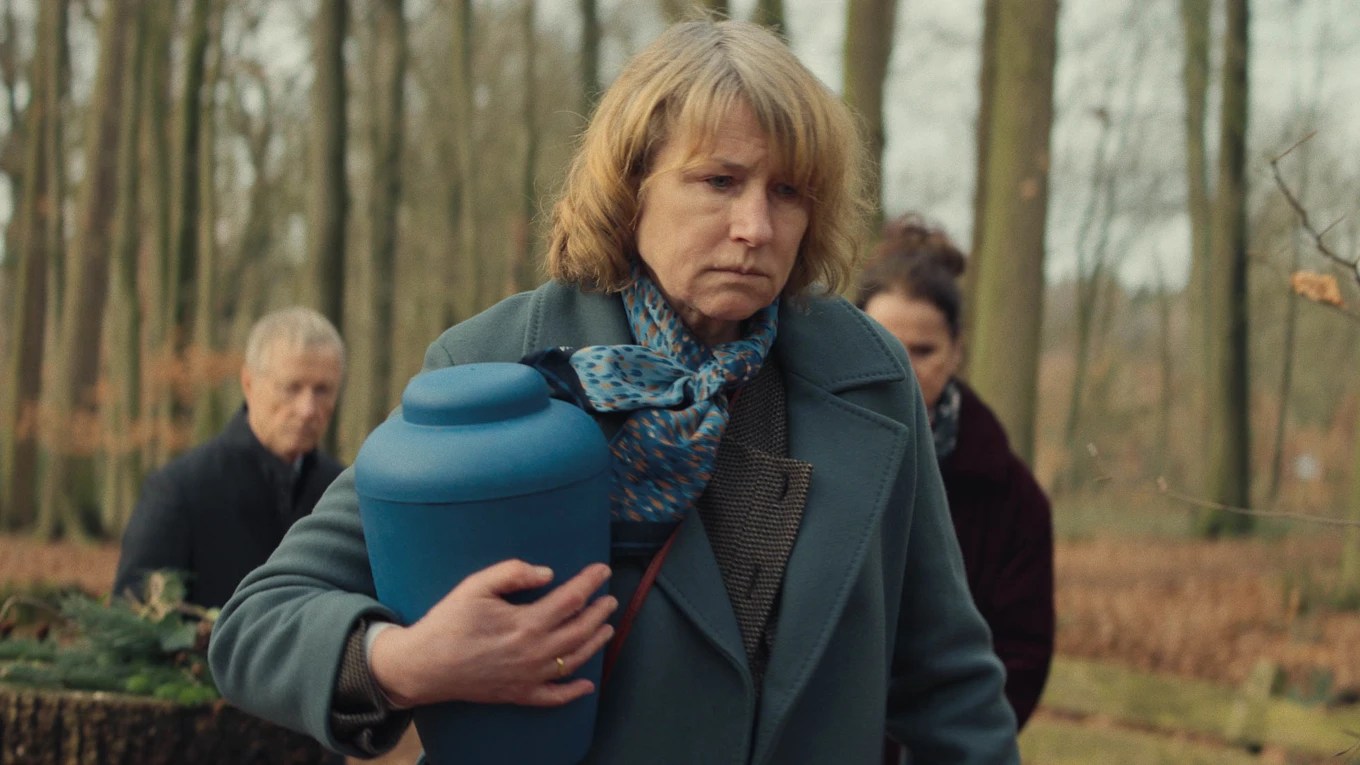
All of the relationships in the film suffer from a series of similar triangulations because life is not a science but a crude art. These days we are all performance artists, creating our lives by pursuing phantasmic ideals. This means we rarely really meet, preferring ideals to the real. Even when we do, it is fleeting. Family requires compromise, but we, like the characters in this movie, have been conditioned to be individuals and to ruthlessly pursue our dreams above all else, burning pictures to obtain ashes.
C.J. O’HARTE
Dying was screened at Somerville Auditorium as part of Lotterywest Films for Perth Festival 2025. For more information about this past event, click here.