Grand Tour is both visually enthralling and at times tedious. Most importantly, it is a curious piece of art, almost an anti-film, that playfully holds up a mirror to Western cinema whilst exploring other countries’ various cultural artifacts. In many ways the movie is more tour de farce than tour de force!
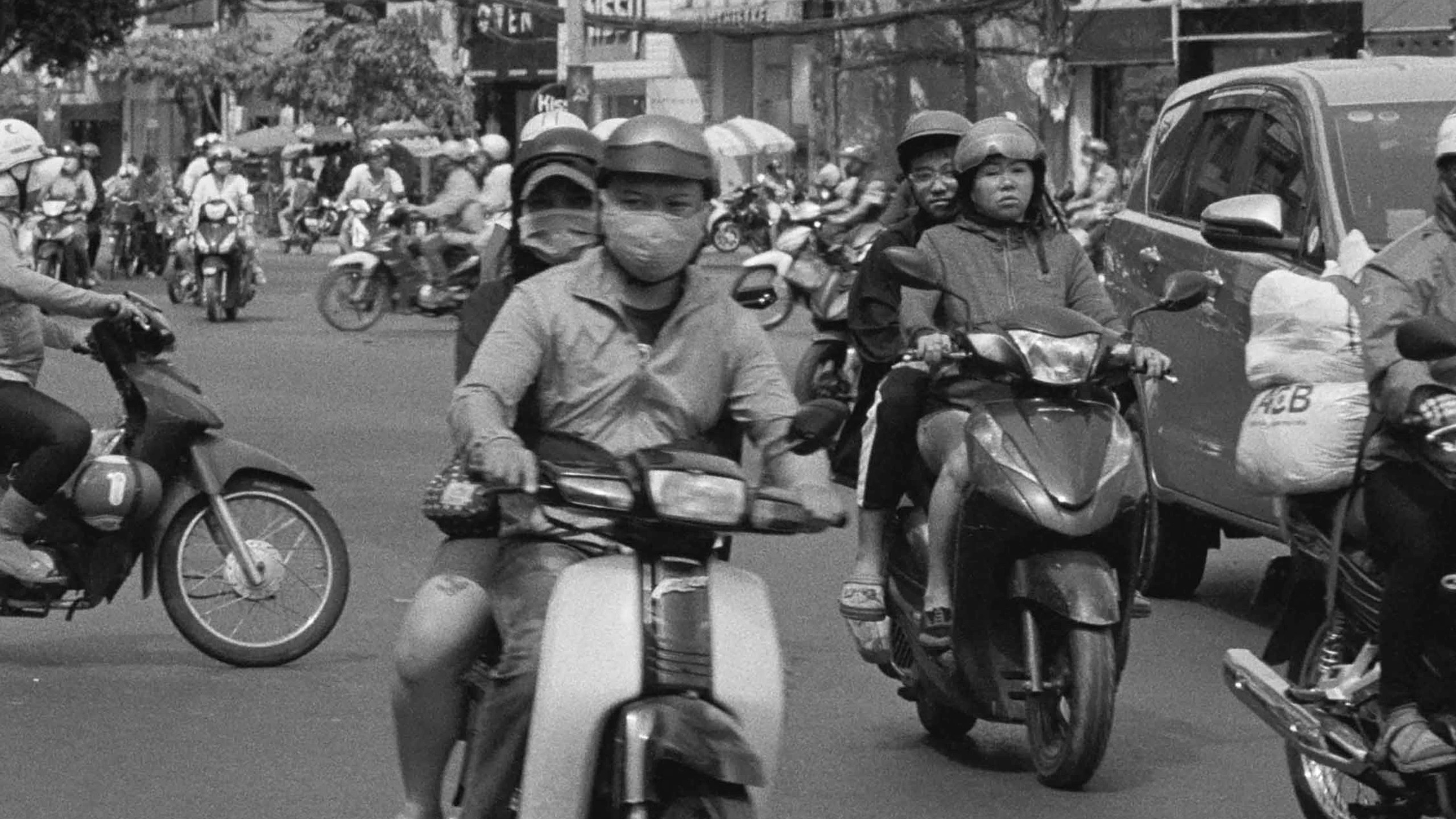
One of the film’s major strengths is the innovative way it plays with tropes. For example, it inverts the runaway bride trope and the grand tour with aplomb. Firstly, we have a runaway husband. Secondly, grand tours were traditionally euro-centric affairs, where affluent youth from Europe or America finished their education by travelling around continental Europe. Grand Tour meanwhile, takes the viewer around Southeast Asia.
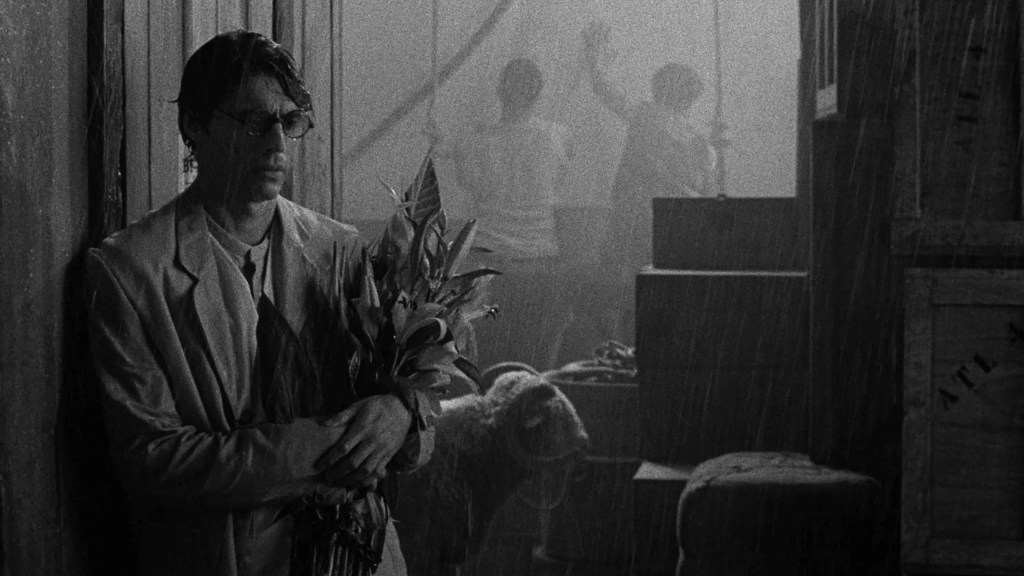
There is no denying that the film’s cinematography, especially near the start, is utterly sublime. The shot of the train crash, the small donkey in the jungle, and the images of the central male protagonist at the dock in the rain, are, compositionally speaking, like something form a great painting and reminiscent of Wes Anderson (the diorama-like shots) or Wim Wenders. Unfortunately, though, the compositional flare ebbed aways as the movie lumbered on.
The film played heavily with the historical forms of Western cinema to the point of lampooning it. By contrast, the approach used when representing the cultures of the countries visited was largely sincere.
Bizarrely, the whole plot of the film feels like a plot device. Movies sometimes avail themselves of devices to bring a movie’s whole plot together into something tenable or believable. Grand Tour‘s plot is, on the other hand, one very loose thread that stitches together a fascinating depiction of various culturally significant art forms from the countries the characters pass through. So sparse is the plot that it is almost seems like an afterthought. This pastiche is reminiscent of Italian Neorealism in its blending of fiction with documentary-style filming.
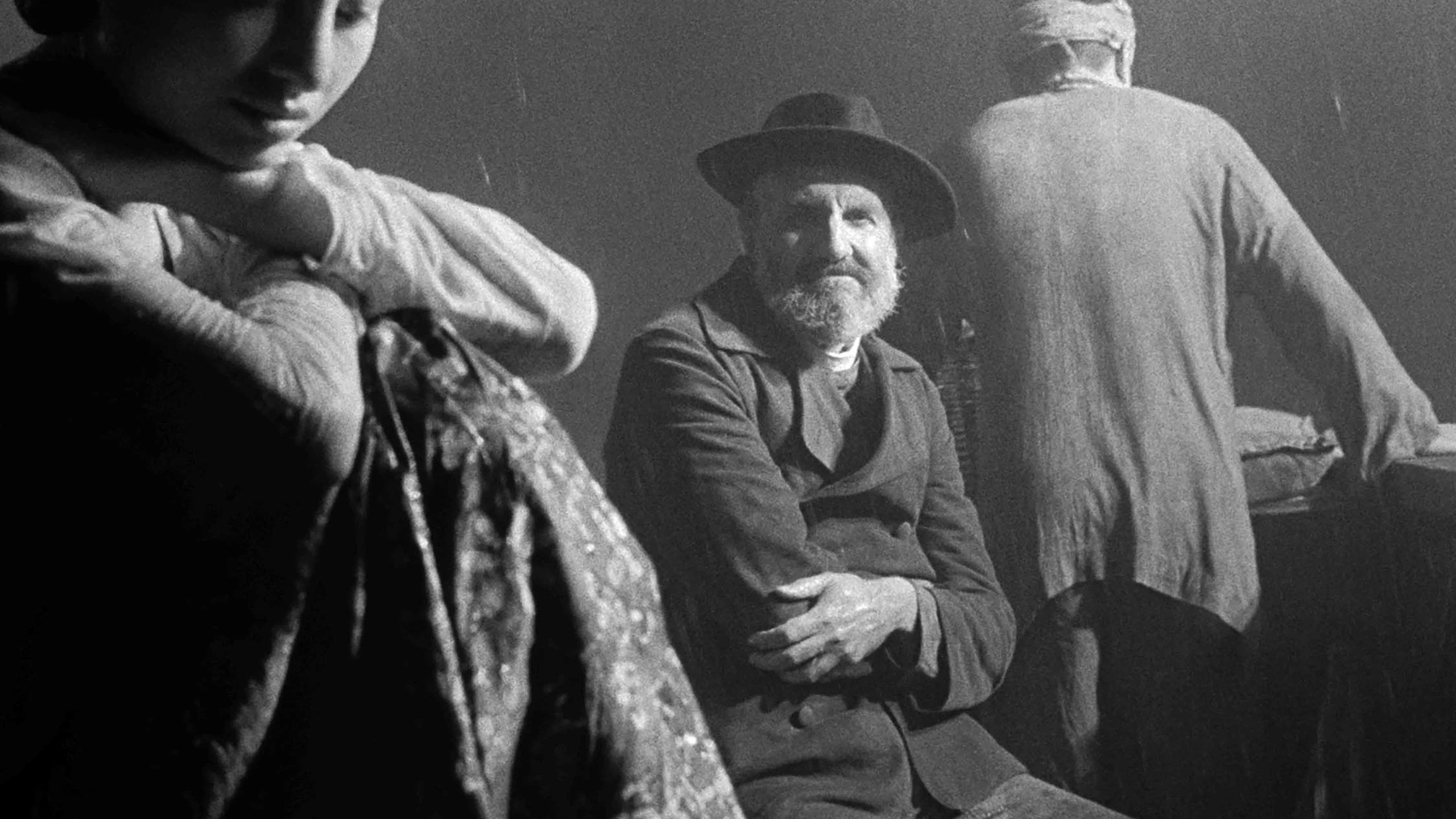
Sadly, the plot, being so bare-bones, left the film with a pacing issue. This, coupled with a slowly diminishing cinematographic flair, made for some hard viewing near the film’s end.
The film markedly tells the viewer that the story is set in 1918. The choice of black-and-white over colour for 95% of the film reinforces this. However, the film blithely makes no attempt at continuity, flaunting rather than hiding the technological modernity of when it was shot. When introduced to Shanghai, the first shot is the Pudong District with its famous Pearl Tower, which was completed in 2007. Then the film cuts to the other side of the river, with its multitude of Art Deco buildings. Buildings which would have fitted a 1918 timeline.
Fascinatingly, the final act of the film is a replay of the final act of the Heart of Darkness, culminating in an ill-fated journey up a foreboding river towards tragedy. The difference being that in Grand Tour, Kurtz’s famous words “The horror! The horror!” are done away with and replaced by the breaking of the fourth wall to reveal film crew on set. In the Heart of Darkness, Kurtz’s feared returning to a banal European bourgeois life, and maybe this is also true of Grand Tour. However, a better read would be that the banal “horror” of Grand Tour is in Western cinema itself.
C.J. O’HARTE
Grand Tour played at Somerville Auditorium at UWA for Lotterywest Films at Perth Festival. For more information on this past event, click here.