All We Imagine as Light is a moving, lyrical study of female solidarity in the face of the repressive politics in modern-day India. Where love is political, marital status, religious backgrounds, language barriers, and gentrification are all explored with brutal realism inter-spliced with profound cinematic whimsy.
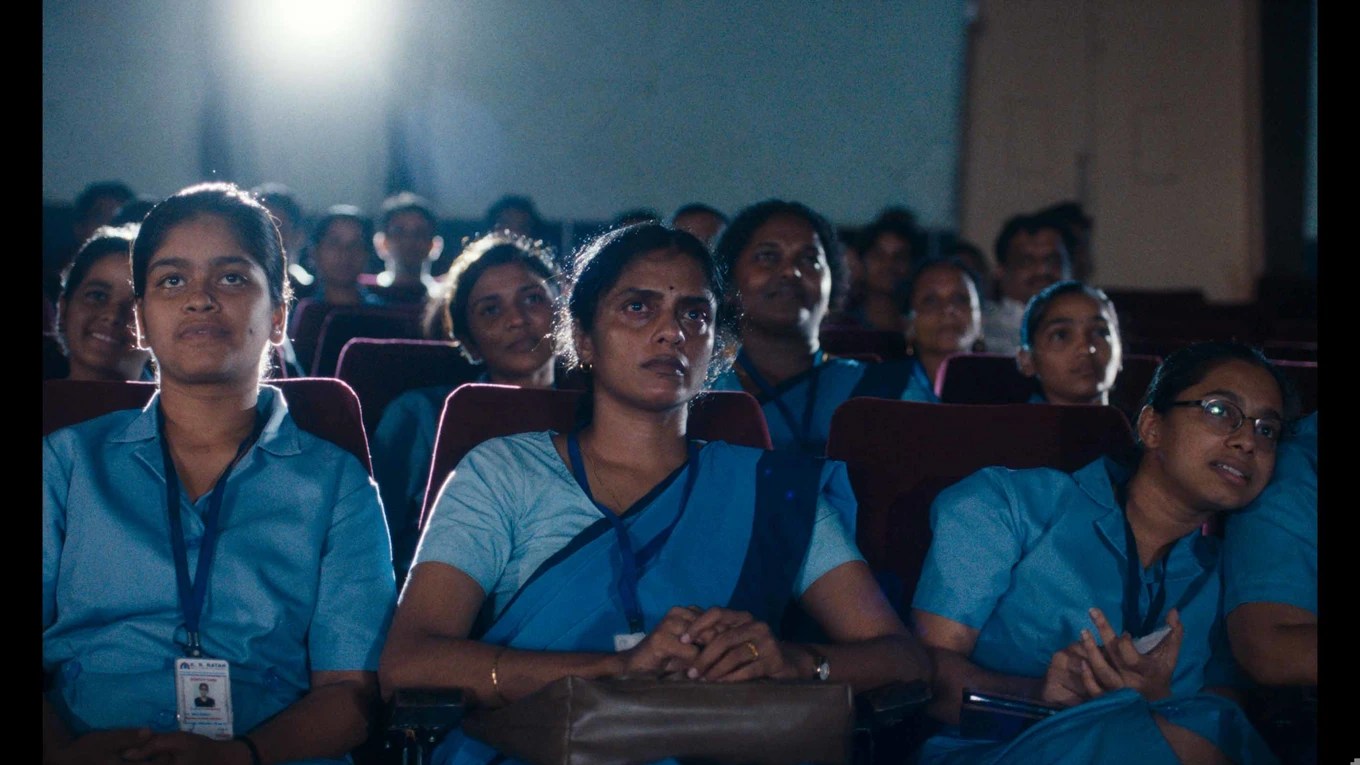
Even the text messages have a lyrical quality (but is not making love to a lover with words, even texts, a form of poetry, no matter how crude?), reminiscent of French New Wave auteur Goddard, who would shoot the Parisian streets and lay poetic dialogue over the top. I find it completely bizarre that I could even think about the text messages in a film as poetic! So, it is easy to see how this is the first Indian film to win the Grand Prix at Cannes.
Symbolically, the film explores duality at many levels: through the contrast of the city and rural life, through dreams and reality, through the relationship of the central protagonist, and the contemplation of light and dark. For me, the latter two were the most striking.
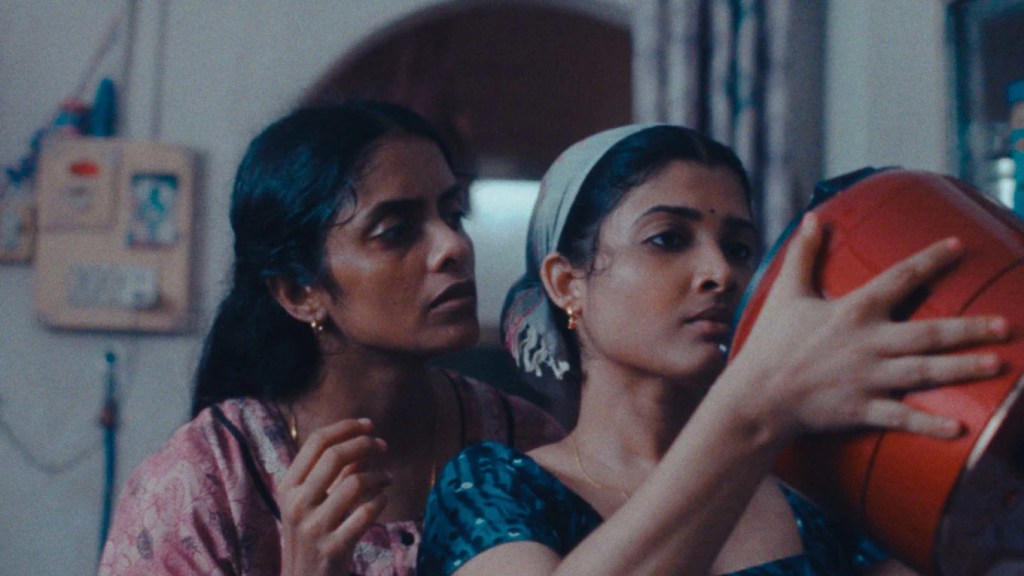
The movie beautifully portrays the “odd couple” dynamic via the relationship of the central protagonists Prabha and Anu, who live together and work as nurses at the same hospital. Prabha (Kani Kusruti) has strong traditional morals, even if they are emotionally damaging and unfulfilling, and carefree Anu (Divya Prabha) risks ruin and ostracisation as she struggles to break free of traditional morals and find love. Both sides of the coin are fraught and tear-inducing.
The poetic title refers to the imagined light of hope that migrants have for a better life in Mumbai. Living where they do, they are to ignore the dark and imagine the good, to stay sane and not drown under the politics of the city. Writer/director Payal Kapadia compliments this by employing a visual style that emphasises the interplay between light and darkness. Cinematographer Ranabir Das captures the texture of shadows, creating a visual metaphor for the dualities present in the characters’ lives.
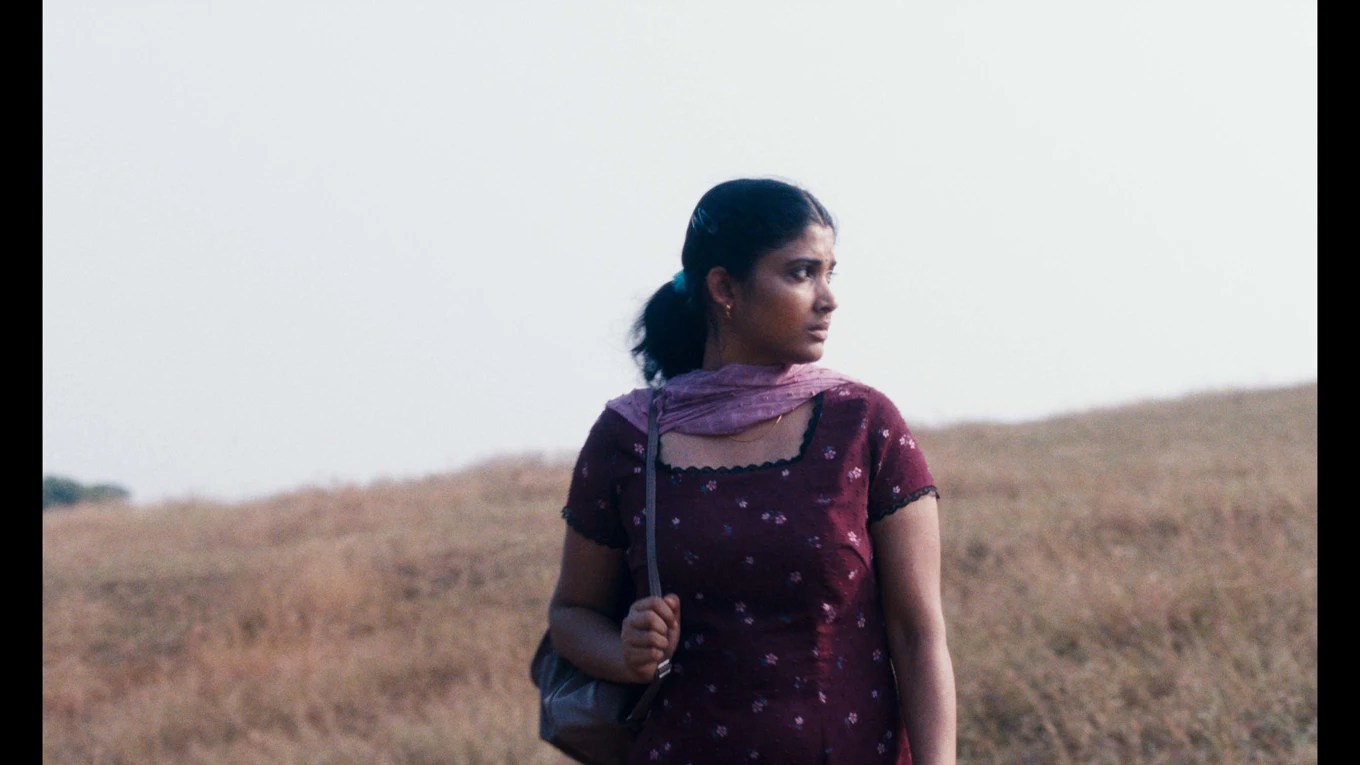
This movie highlights the repressive nature of culture and religion when it comes to women’s lives. In the West, social work theory teaches the importance of honouring acts of resistance when dealing with victims of family and domestic violence, and this movie does this on a societal scale with poetic candour. An example of this can be seen in Prabha and Anu helping the hospital cook who battles eviction, forced out to make way for luxury apartments. The rock-throwing scene is an utter delight.
One of the most fascinating things is the way Prabha resolves the issue of her husband, which is left open to multiple thought-provoking interpretations. But I won’t spoil the fun; when it comes to art, what is left out is often as important as what is left in.
C.J. O’HARTE
All We Imagine as Light runs until 2 Feb 2025 at UWA’s Somerville Auditorium for Perth Festival Lotterywest Films. For tickets and more information, click here.