Watching Sing Sing I laughed, I cried, I wanted to smash the prison-industrial complex.
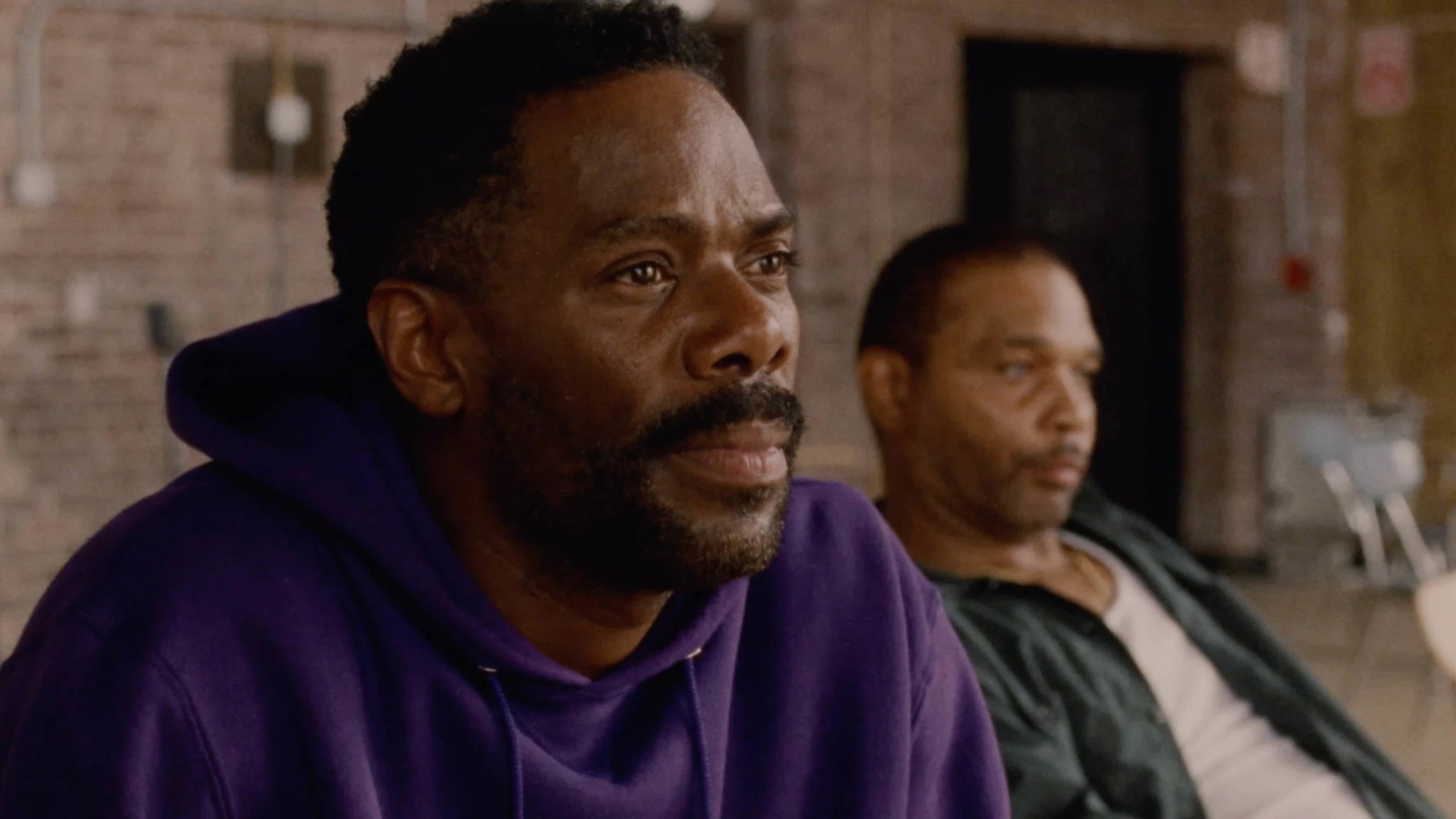
The multi-award-winning movie Sing Sing is based on a true story following the journey of Diving G (played by Colman Domingo), a man wrongfully imprisoned and up against a broken Kafkaesque system kept afloat by his art, his theatre group, and the hope to get out. Divine G is the dominant force behind the prison’s drama program.
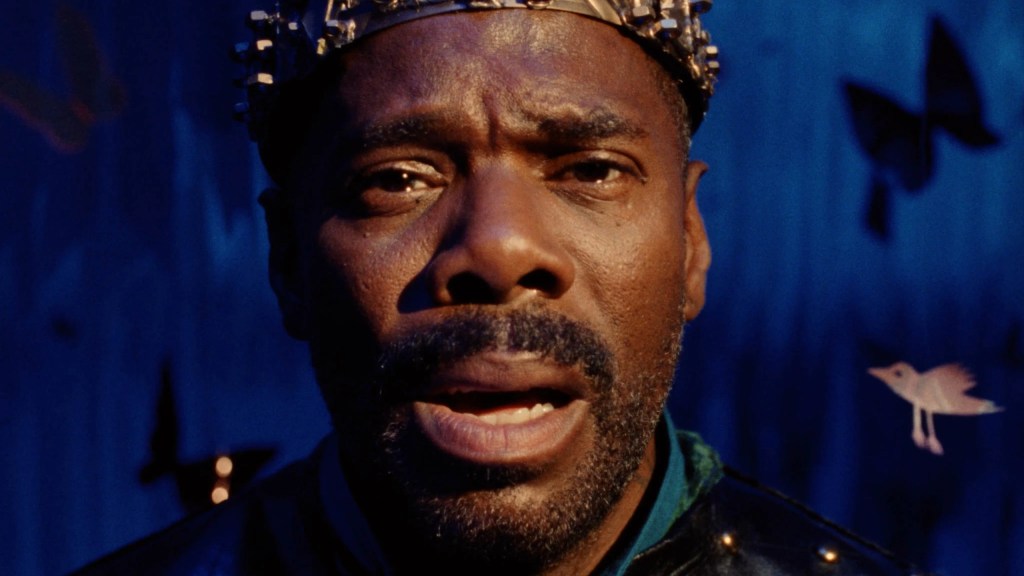
However, the status quo is upended when a dangerous and charismatic inmate, played by a former inmate, Clarence “Divine Eye” Maclin, joins the drama program. Clarence’s performance is uncompromisingly raw, matched only by the other former inmates who comprise most of the cast. Watching Clarence’s journey, from a closed, heavily institutionalised, predatory drug pusher and stand-over man to playing Prince Hamlet, and his personal renaissance is a joy to behold.
At one point, Clarence notes to his acting buddies, “Every day we live trauma and drama… let’s make a comedy.” The production of the play and the movie delivers all of these elements without cloying sentimentality. If I had any criticism of this movie, it is that by the end of it, I had experienced such a panoply of emotions that I felt completely wrung out. I felt all the emotions.
The directors of this film, Greg Kwedar and Clint Bentley, were inspired by the “Rehabilitation Through the Arts” (RTA) program and followed, interviewed, and incorporated the participants into the movie and writing process. The participants of RTA have a reoffending rate of 5% compared to the usual 60% rate upon release. Thus, this movie is an important think piece calling on us to use more humane and efficient means of rehabilitating people who end up on the wrong side of the law for various reasons, including institutional racism. What makes this movie incalculably special is that it demonstrates the redemptive nature of art and that culture is a strong protective factor, especially for marginalised and oppressed communities.
The development of this movie involved a meticulous eight years of consultation, and this care and consideration have burnished this film with an immaculate lustre and weighty pathos.
Thankfully, cinematographer Pat Scola utilised 16mm film rather than the digital options. This helped capture a naturalistic aesthetic, emphasising the human faces central to the story. The choice of aspect ratio and natural lighting conveyed the paradox of confinement amidst visible freedom – the mountains, the tranquil waters of the bay and the dense tree line are tantalisingly close but always out of reach – enhancing the film’s emotional resonance and depth.
Sing Sing is showing as part of the Perth Festival – Lotterywest Films program from 20 January to 26 January. This film is a must-watch; doing anything else would be criminal.
C.J. O’HARTE
For tickets and more information about Lotterywest Film’s screening of Sing Sing, visit the Perth Festival website here.